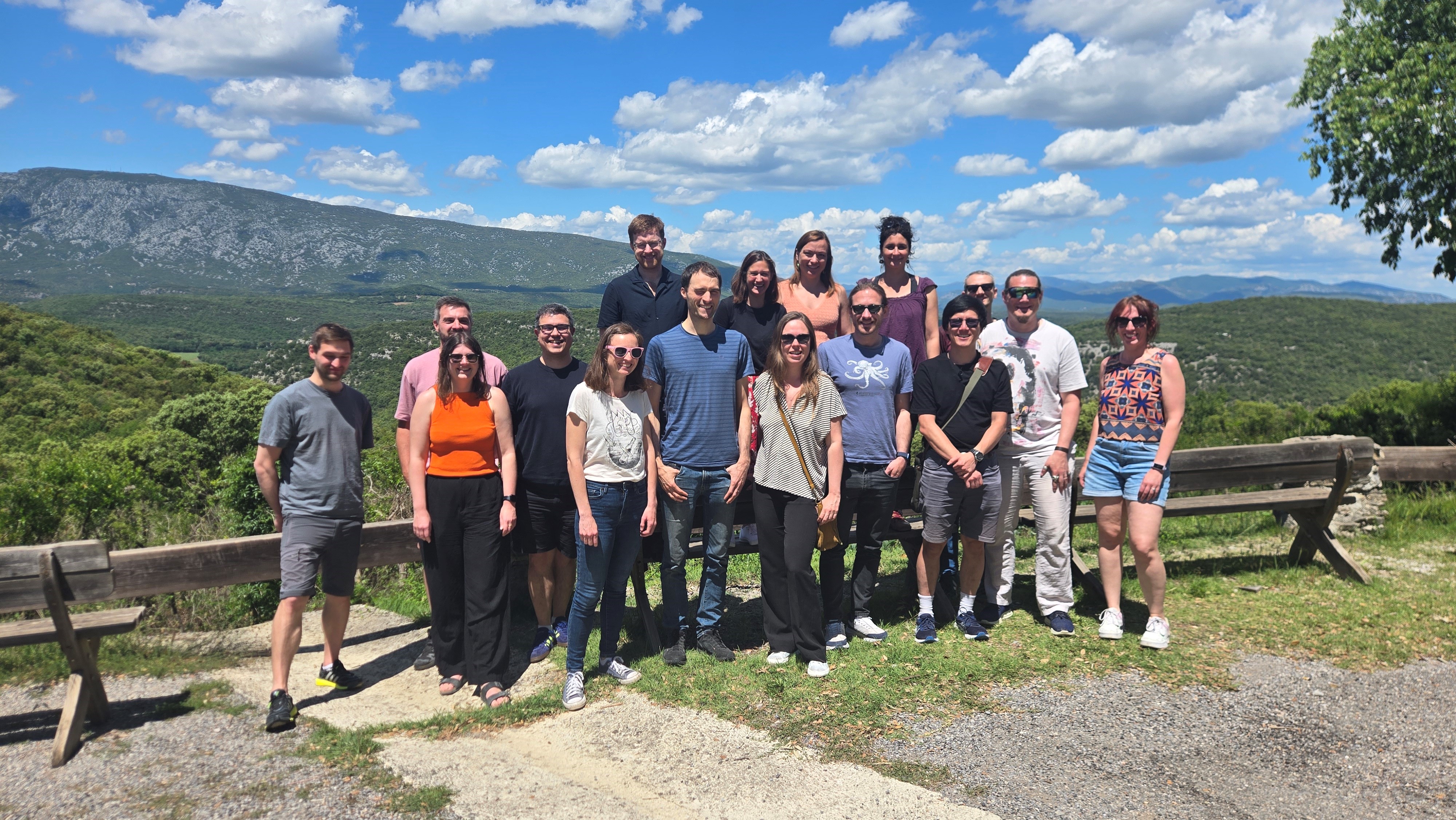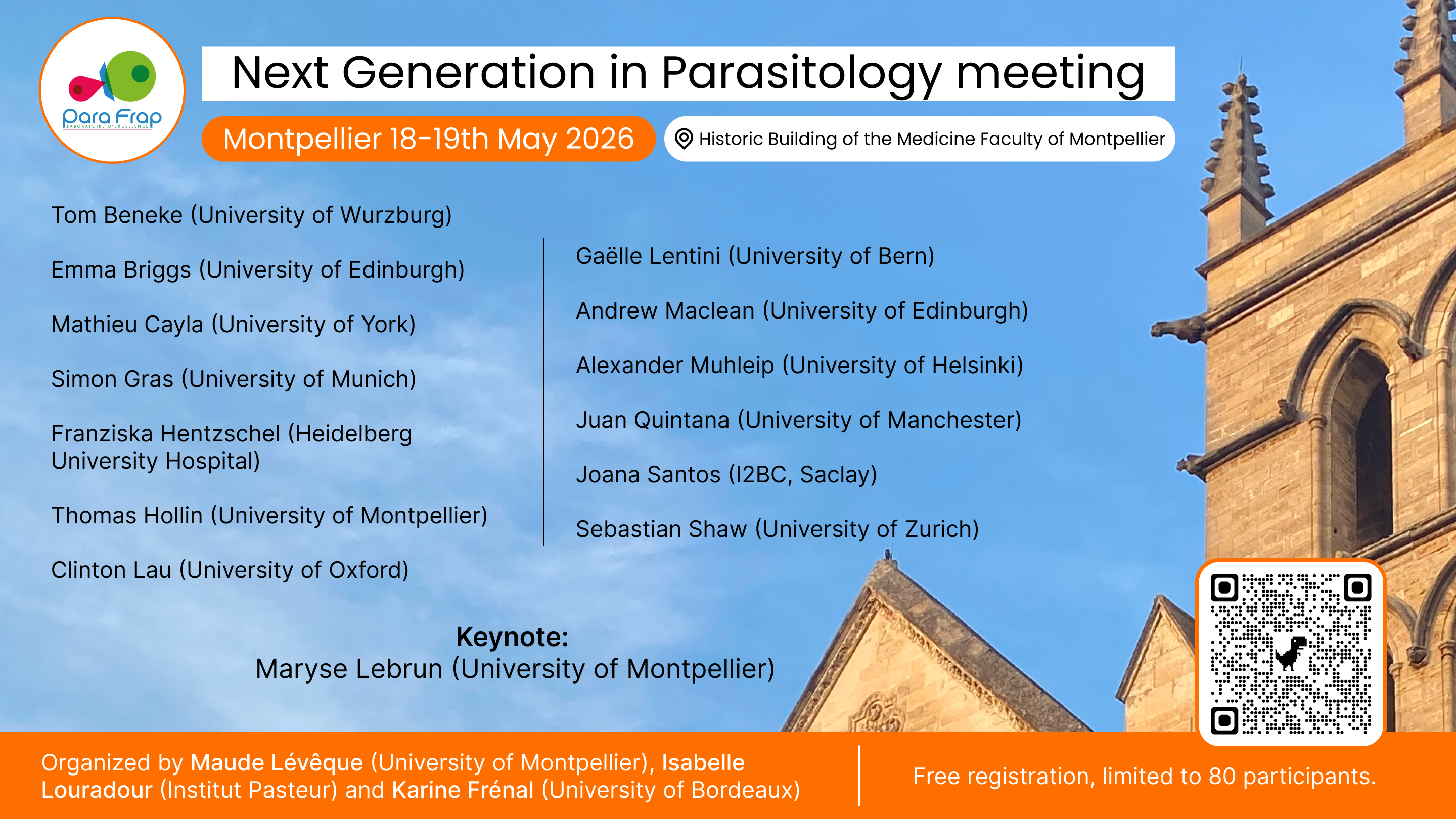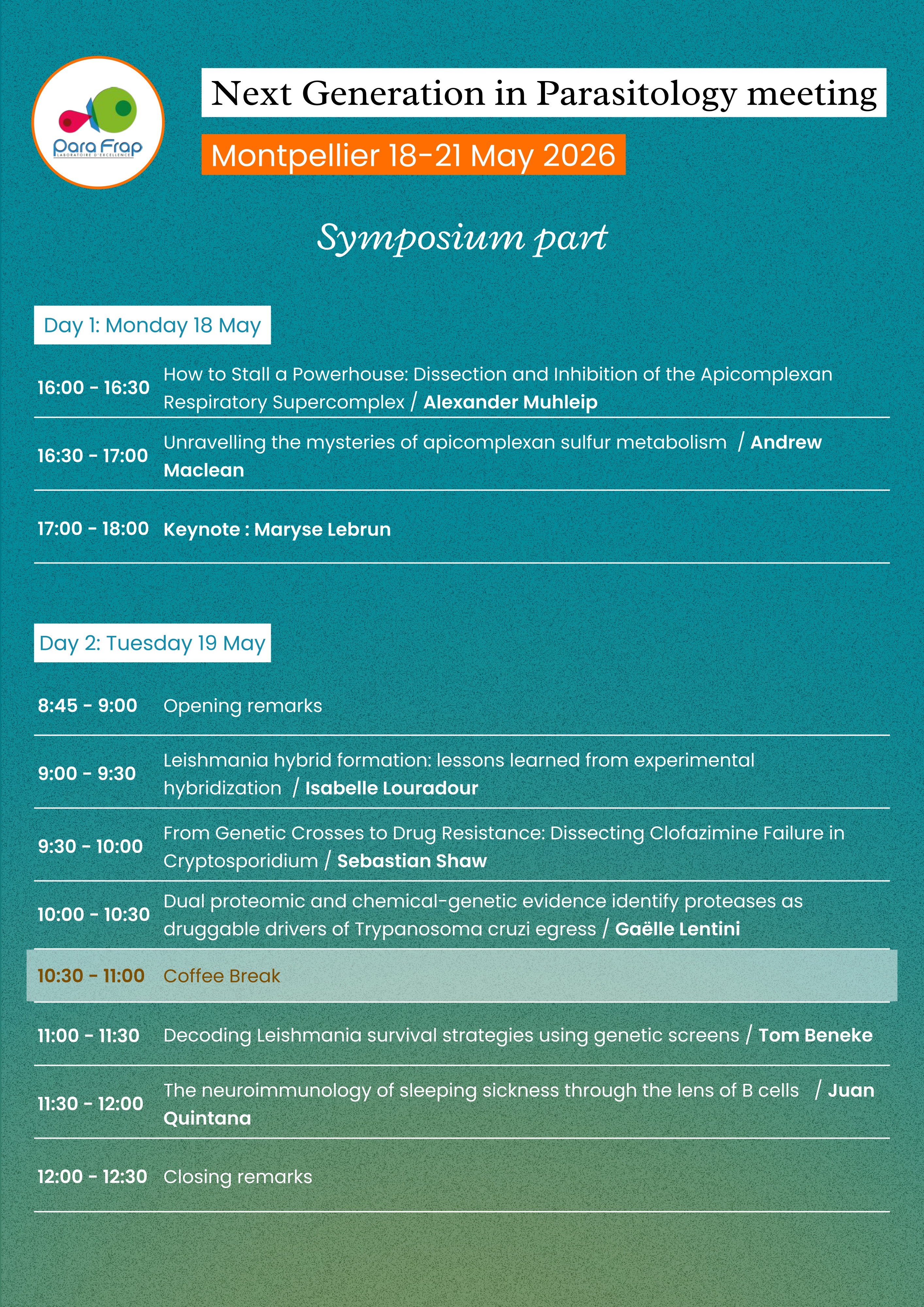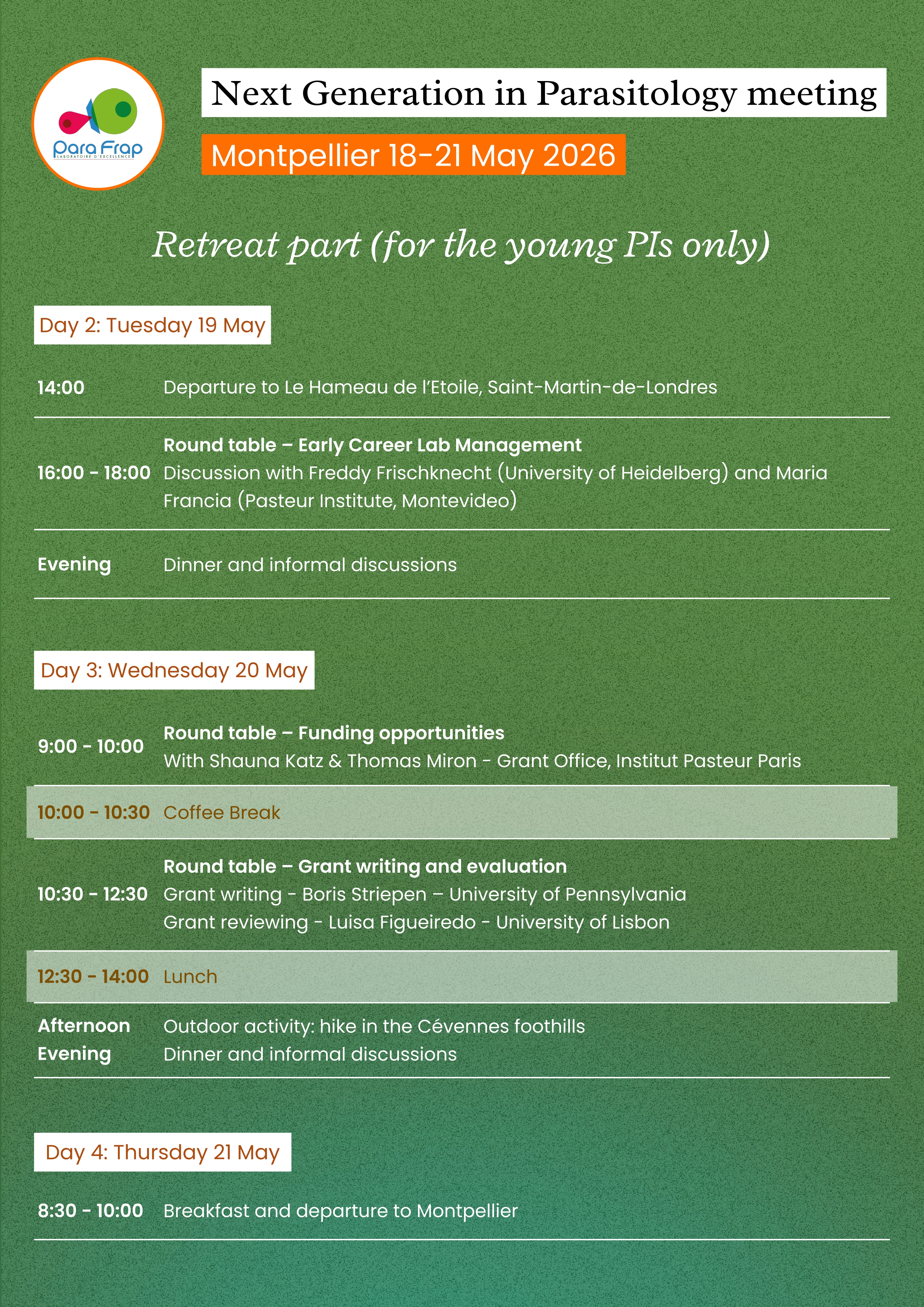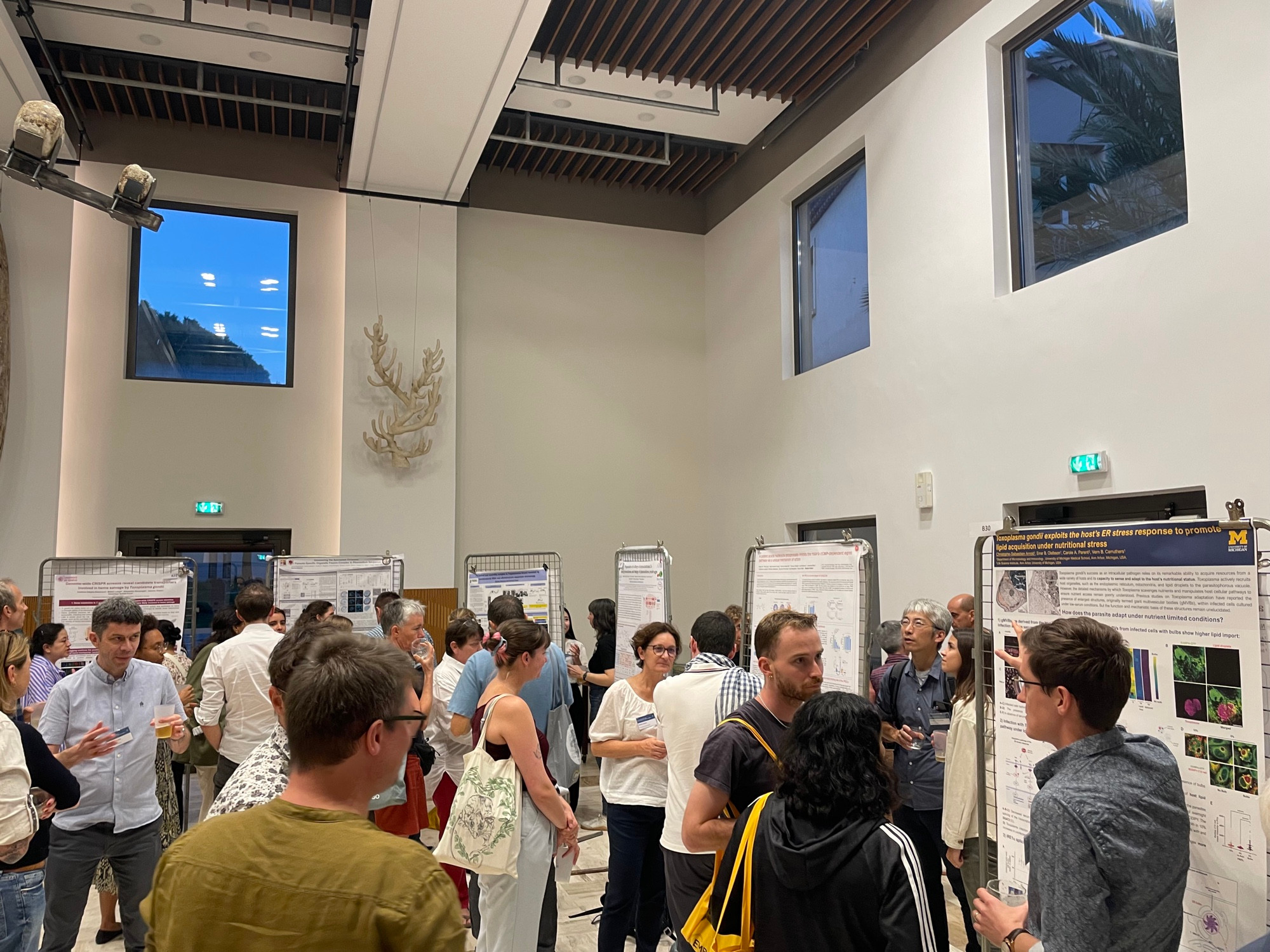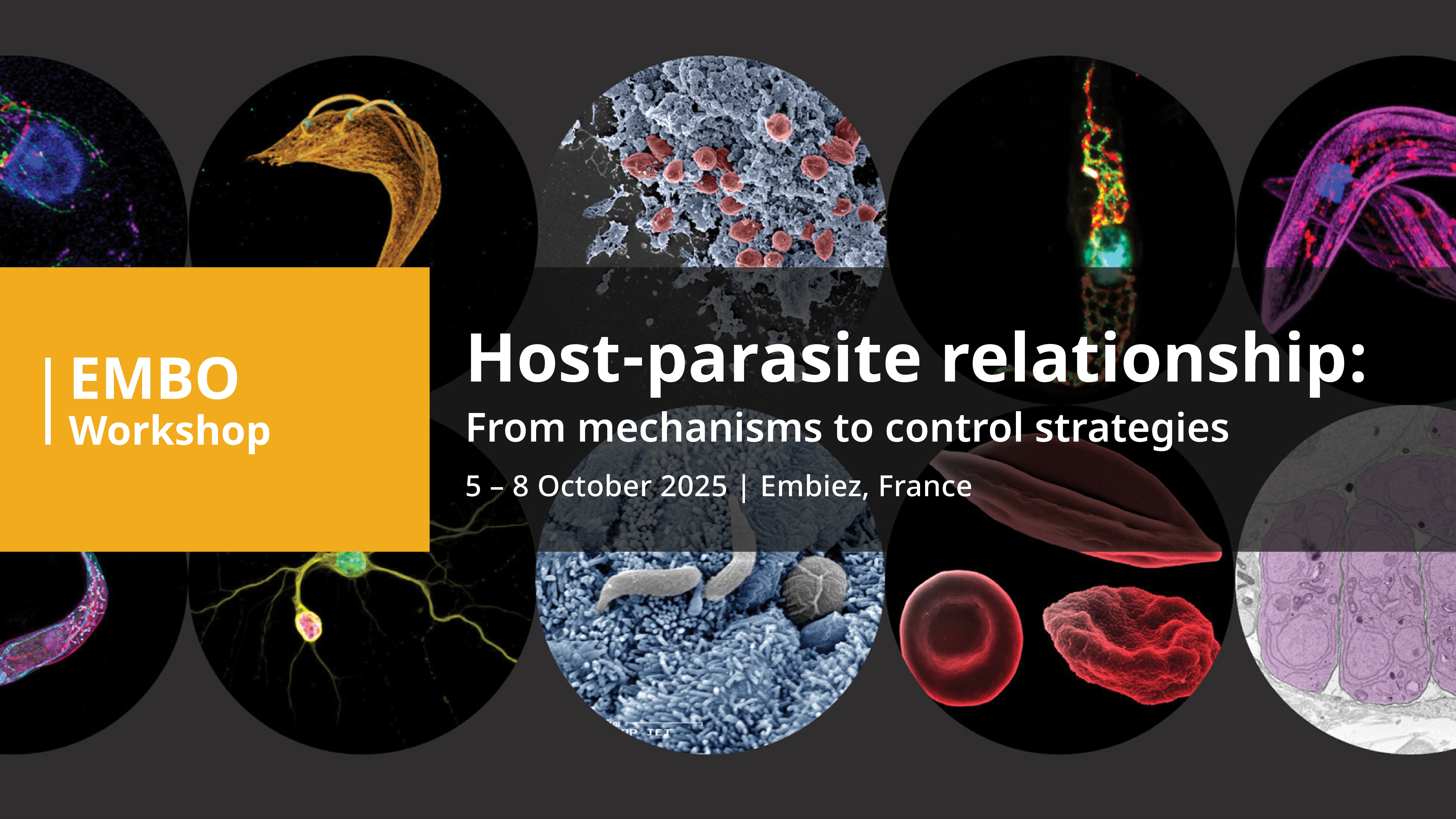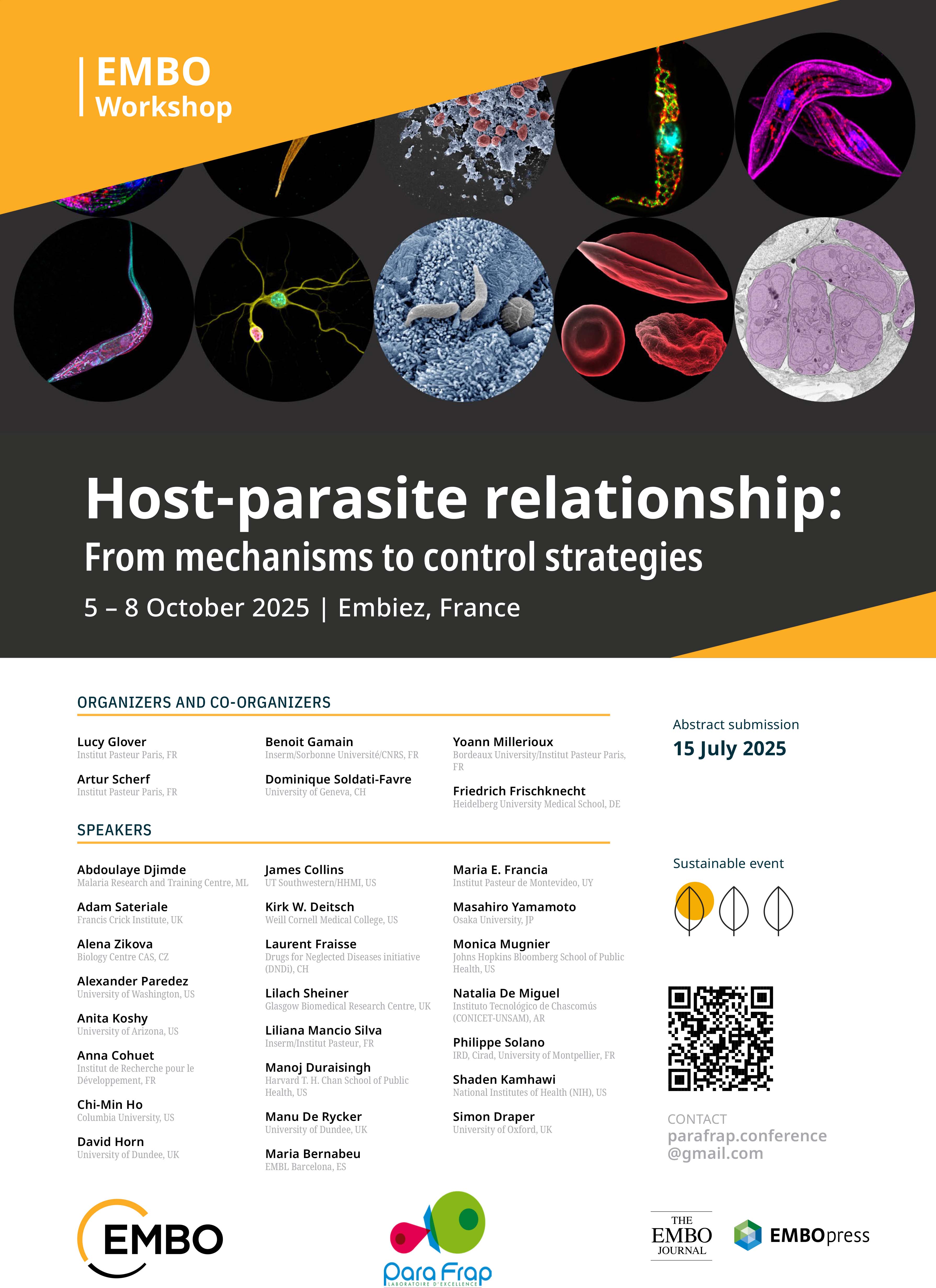


The second edition of the Next Generation in Parasitology workshop, supported by LabEx ParaFrap, took place in the Montpellier region from May 18 to 21, 2026. The meeting provided a unique opportunity for sixteen early-career investigators from across Europe to present their work, exchange ideas, share experiences, and develop new scientific connections.
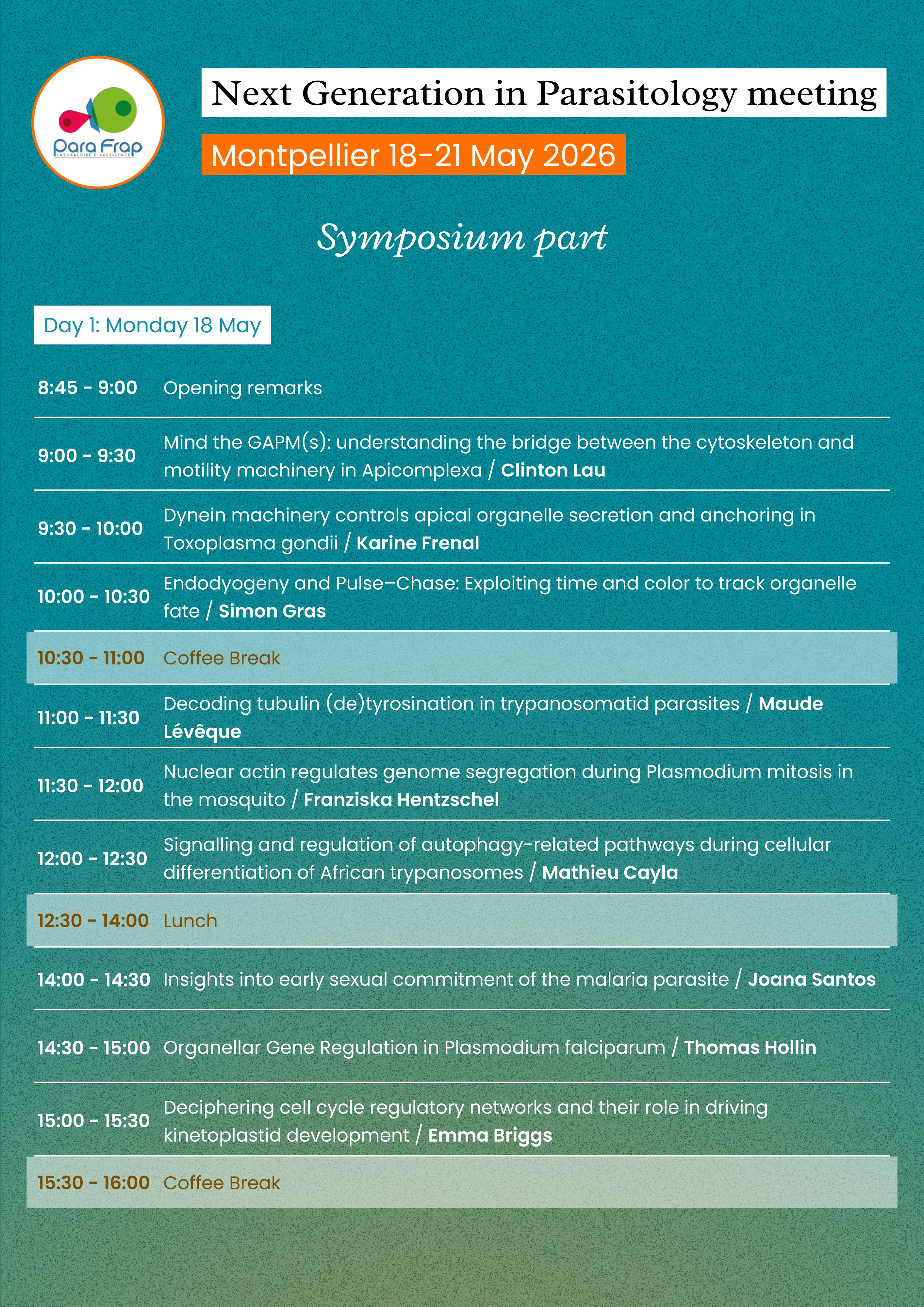
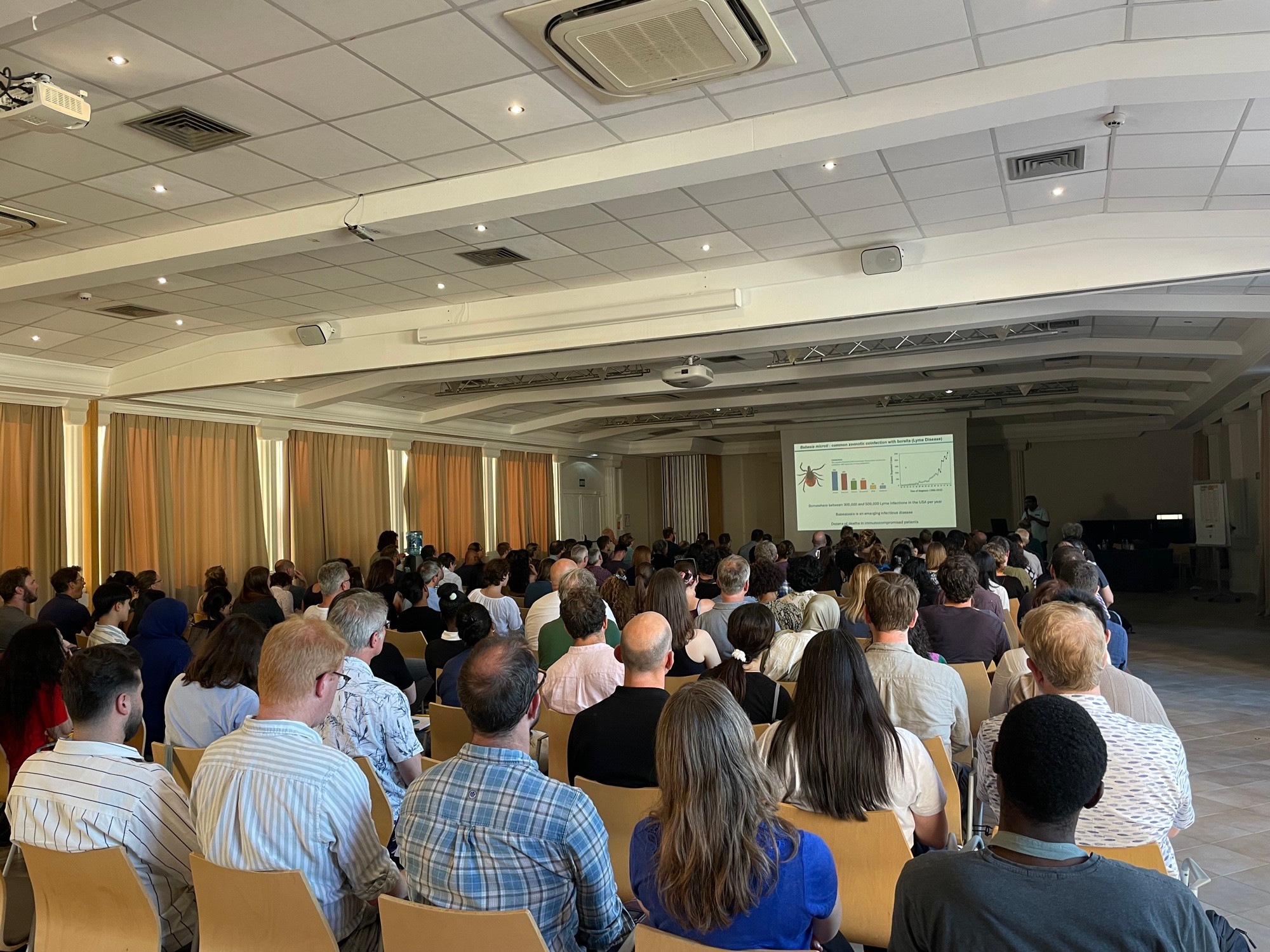
The workshop opened with a scientific symposium at the historic Faculty of Medicine of Montpellier, bringing together nearly 70 participants. Presentations covered a wide range of medically important parasites, including Plasmodium, Toxoplasma, Leishmania, Trypanosoma, and Cryptosporidium, and highlighted diverse research approaches ranging from cell biology and genomics to metabolism and host–parasite interactions. A keynote lecture by Maryse Lebrun (CNRS, University of Montpellier) showcased recent advances in the understanding of host-cell invasion by Apicomplexan parasites.
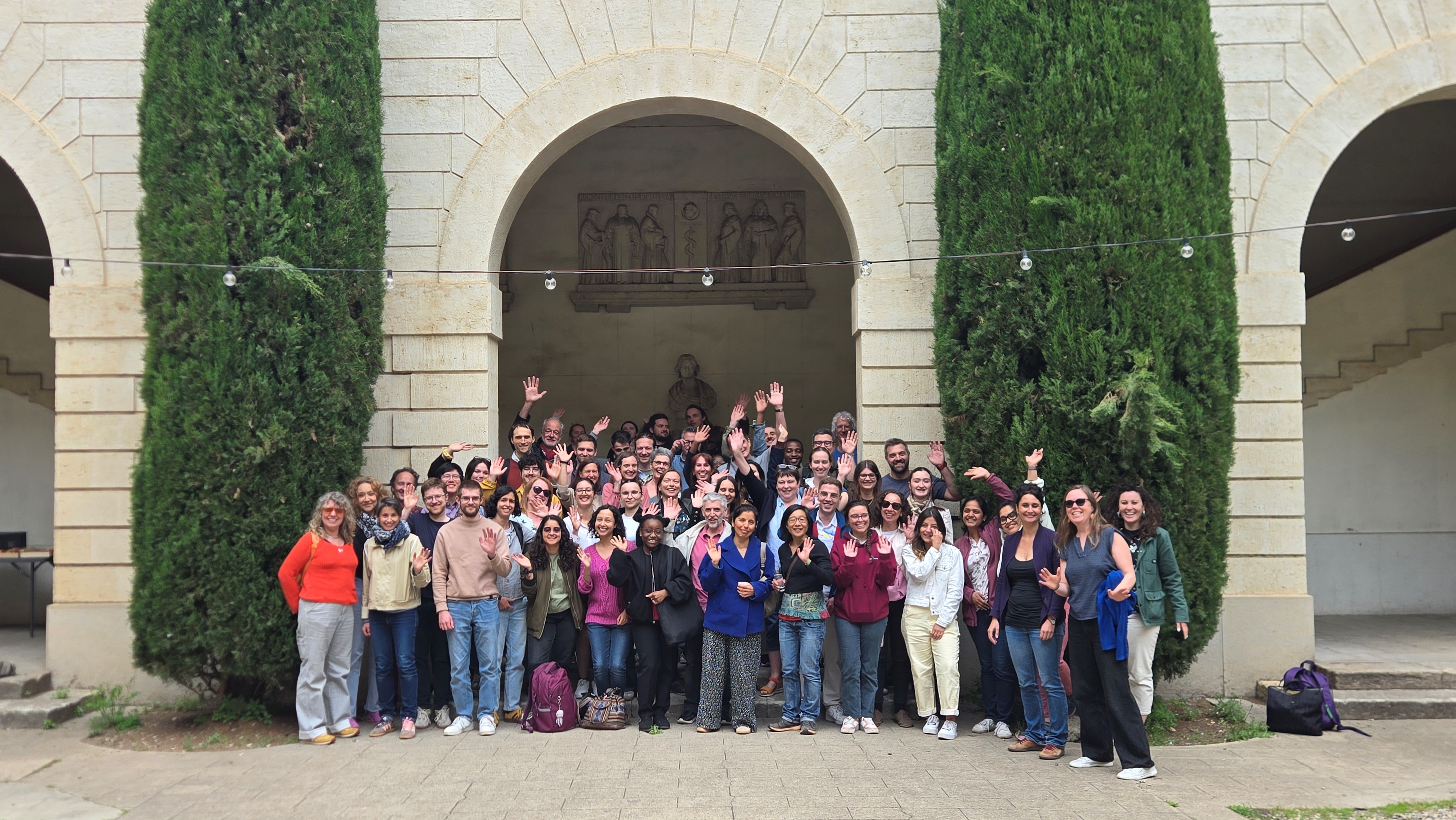
The second part of the workshop, held in Saint-Martin-de-Londres, focused on the opportunities and challenges faced by early-career investigators. Through interactive discussions with academic and institutional experts, participants exchanged ideas on topics such as laboratory management, mentorship, collaboration building, funding opportunities, and grant writing.
By combining scientific presentations with dedicated discussions on career development, the workshop created a unique environment for networking, knowledge sharing, and collaboration. This initiative reflects ParaFrap’s commitment to supporting scientific excellence and strengthening the next generation of parasitology researchers across Europe.